
Running Practice
Time-Based and Distance-Based Intervals Ask You to Pace Differently
Two-minute efforts and 400-metre repeats can feel similar but give different pacing information. Learn what each format keeps constant.

More confidence in the miles you choose.
Two-minute efforts and 400-metre repeats can feel similar but give different pacing information. Learn what each format keeps constant.
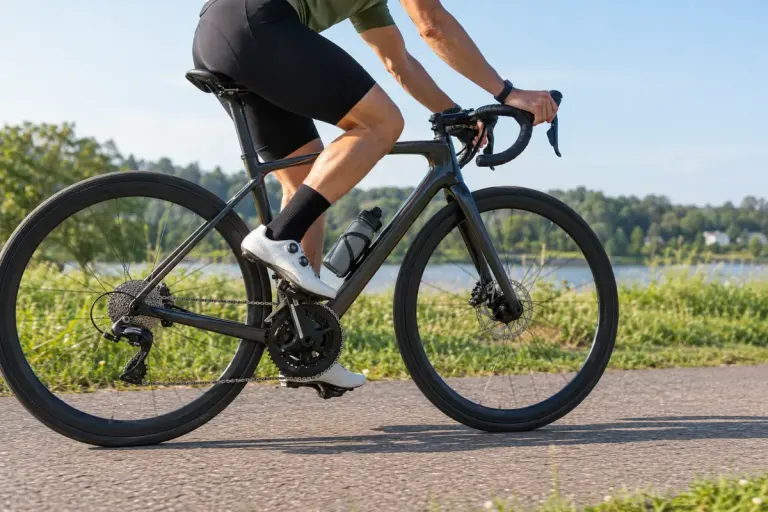
Read cycling cadence alongside speed without assuming that faster pedalling always means faster travel or that one cadence suits every ride.
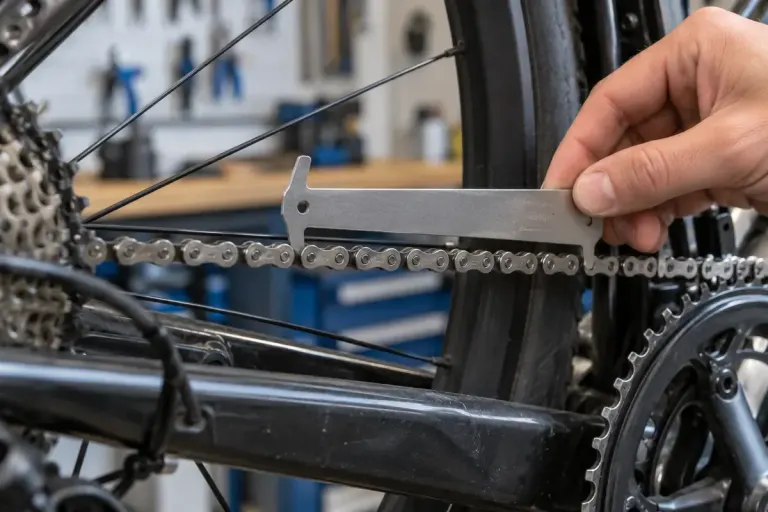
Use a compatible chain-wear gauge carefully, check several positions, and consult the drivetrain maker’s replacement limit before ordering bicycle parts.

Use a familiar flat route to practise steady pacing, compare comparable sections and learn why a fast first kilometre can distort the whole run.
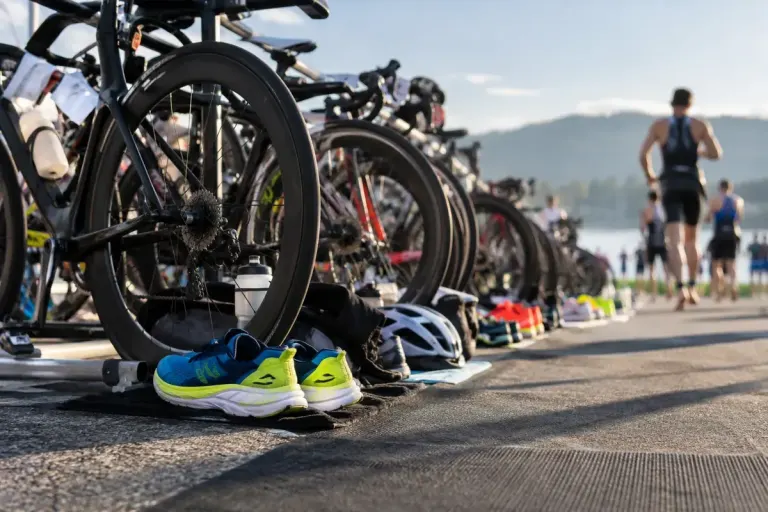
Read a triathlon result through swim, bike, run and transition splits so the time between sports does not disappear from your review.
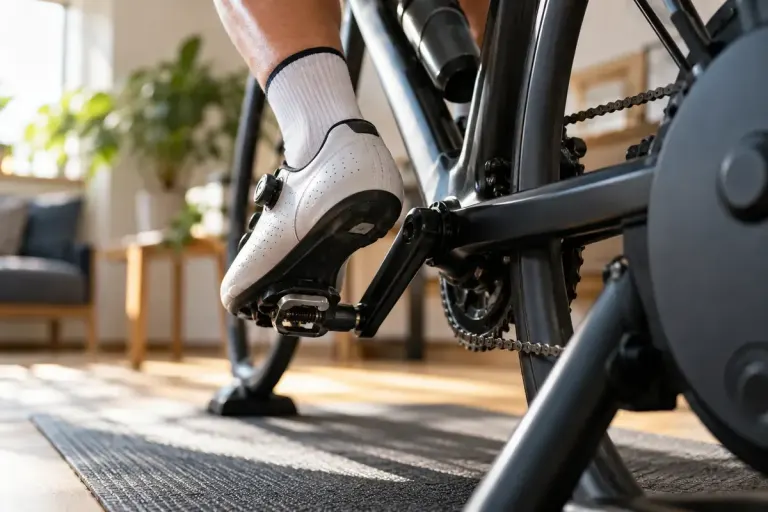
Practise engaging and releasing cycling cleats in a controlled setting before relying on the movement at junctions or in traffic.

Understand how steps per minute and distance per step combine to produce running speed, without treating one cadence number as a target for everyone.
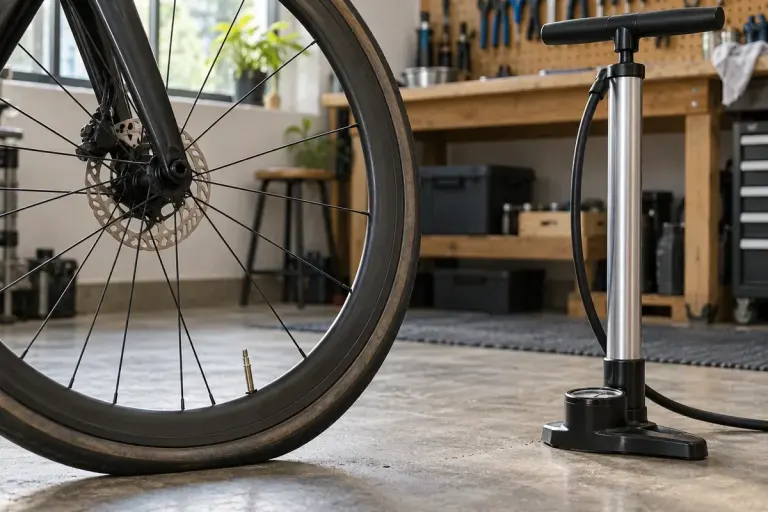
Identify a bicycle valve, match it to a compatible pump head and check the tyre and rim instructions before inflation.
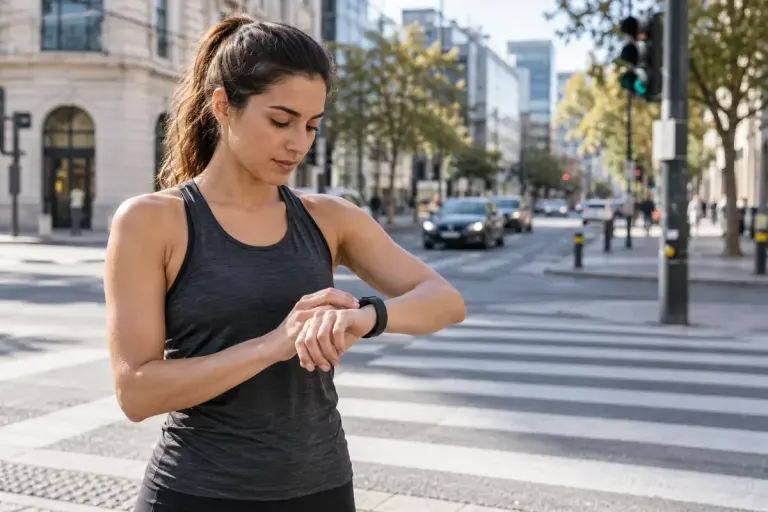
Moving time and elapsed time describe different parts of a run. Check auto-pause before comparing pace, training sessions or race expectations.